

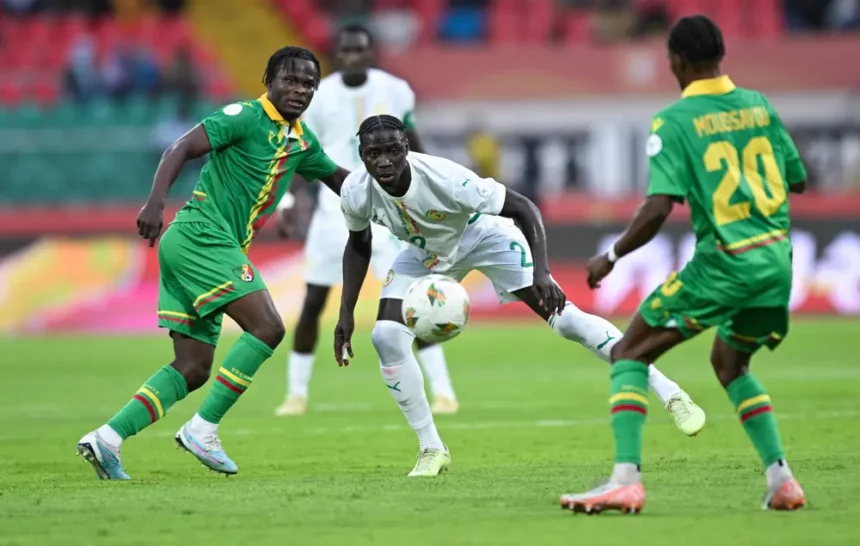
Defending champions Senegal discovered the perils of tournament football as they were held to a frustrating 1-1 draw by a resolute Congo side that threatened one of the biggest upsets in recent CHAN history at the Amaan Stadium in Zanzibar.
The Teranga Lions, widely expected to cruise through Group D following their opening victory over Nigeria, found themselves chasing the game for over an hour after Dechan Moussavou’s clinical 19th-minute opener had given Congo a shock lead in the TotalEnergies African Nations Championship PAMOJA 2024.
Joseph Layousse’s 82nd-minute equaliser ultimately spared Senegal’s blushes and maintained their position at the top of the group with four points from two matches, but coach Souleymane Diallo will be deeply concerned by his side’s inability to break down opponents who defended with discipline and threatened consistently on the counter-attack.
Playing at one of the tournament venues across the three co-hosting nations of Kenya, Tanzania and Uganda, Senegal’s struggles epitomised the competitive balance that organisers hoped would define the delayed championship, which finally launched in August after being postponed from February. Congo’s performance demonstrated that reputation counts for little when teams are properly organised and motivated at this level of continental competition.
The result leaves Group D intriguingly poised ahead of tonight’s clash between Nigeria and Sudan, with all four teams retaining realistic hopes of reaching the quarter-finals. For Congo, sitting on two points, the draw represents a significant step towards potential qualification and validates their aggressive approach against more fancied opponents.
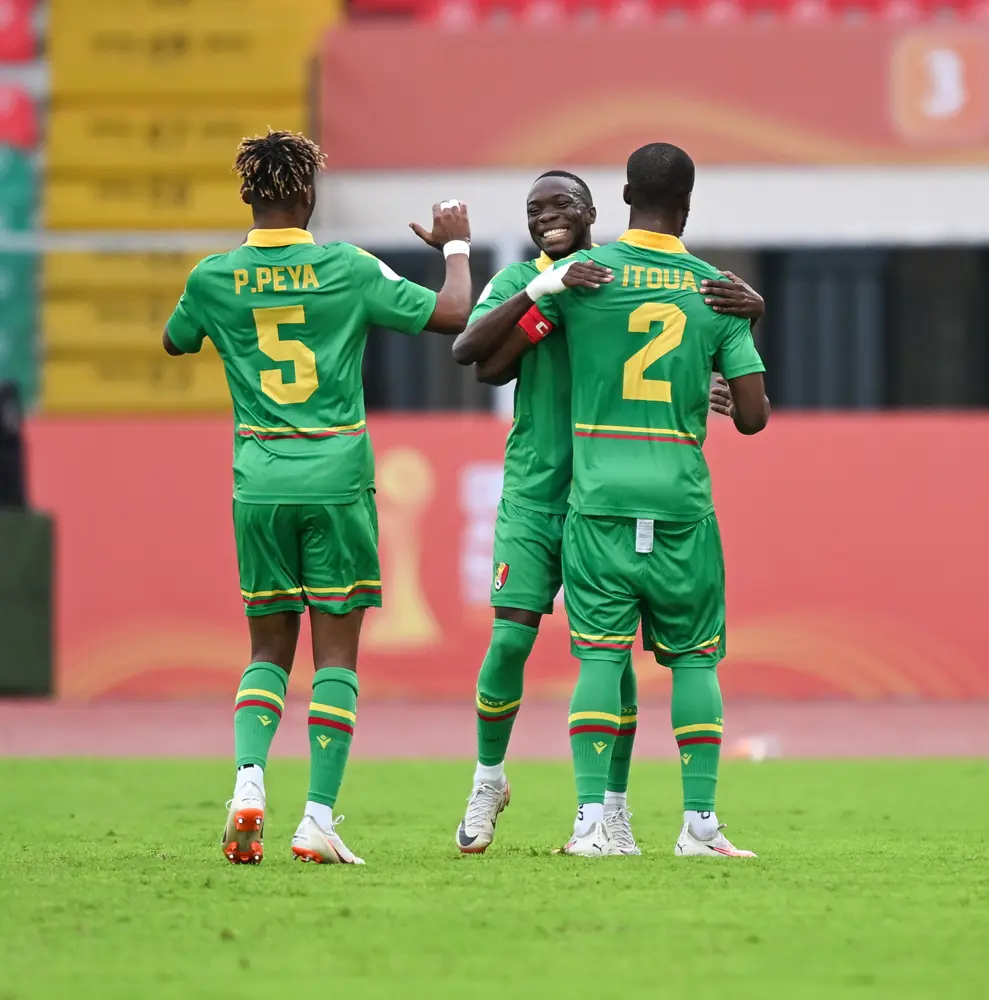
Senegal’s problems began almost immediately as Congo refused to be intimidated by their opponents’ champion status. The underdogs’ physical approach and quick transitions unsettled the Teranga Lions’ rhythm, with Venold Dzaba and Gosim Elenga particularly effective in disrupting Senegal’s midfield patterns.
Congo’s breakthrough was a masterclass in clinical finishing. Charles Atipo’s teasing cross from the right flank found Moussavou unmarked in the penalty area, and the striker made no mistake with a right-footed finish that flew high into the net and sent the small but vocal Congo contingent into raptures.
Senegal’s response was disjointed and lacking in the composure expected of defending champions. Their attempts to break through Congo’s compact 4-2-3-1 formation were repeatedly frustrated, with goalkeeper Ulrich Samba well protected behind an organised defensive structure that grew in confidence with every passing minute.
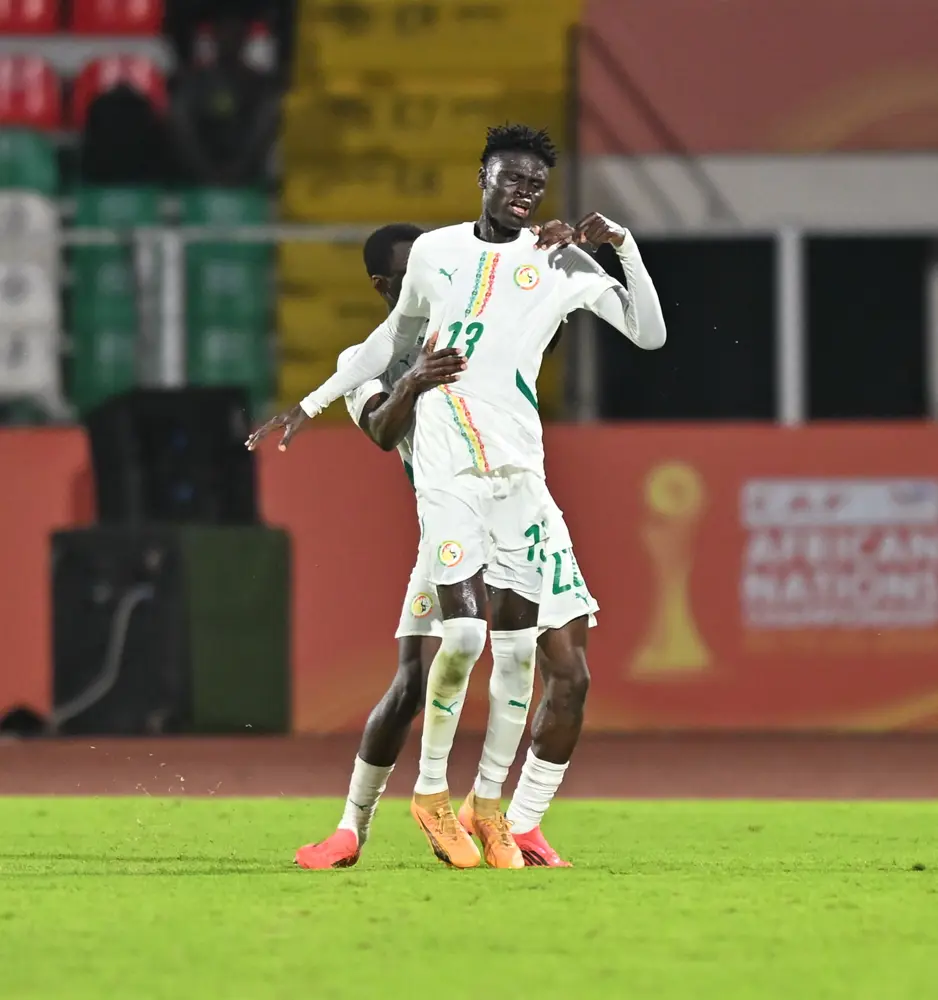
The first half became increasingly scrappy as Senegal’s frustration mounted, with frequent fouls and stoppages disrupting any semblance of rhythm. Congo’s game plan was working to perfection, with only Mbaye Yaya Ly’s angled effort in added time providing any genuine concern for Samba’s goal.
Diallo’s half-time introduction of Vieux Cissé was designed to add creativity to Senegal’s attack, but Congo continued to pose problems on the counter-attack. Marc Diouf was forced into a smart save to deny Elie Andzouono’s curling effort, underlining how the underdogs remained a genuine threat despite their defensive approach.
Senegal’s growing desperation became evident as the match wore on, with set-pieces emerging as their most promising route to goal. Ousseynou Seck’s delivery from corners and free-kicks caused Congo problems, forcing them to defend ever deeper as the pressure mounted.
Christian Gomis and Libasse Guèye both went close to finding the equaliser, only to be denied by sharp saves from Samba, who emerged as one of Congo’s heroes with a series of crucial interventions that preserved their advantage deep into the second half.
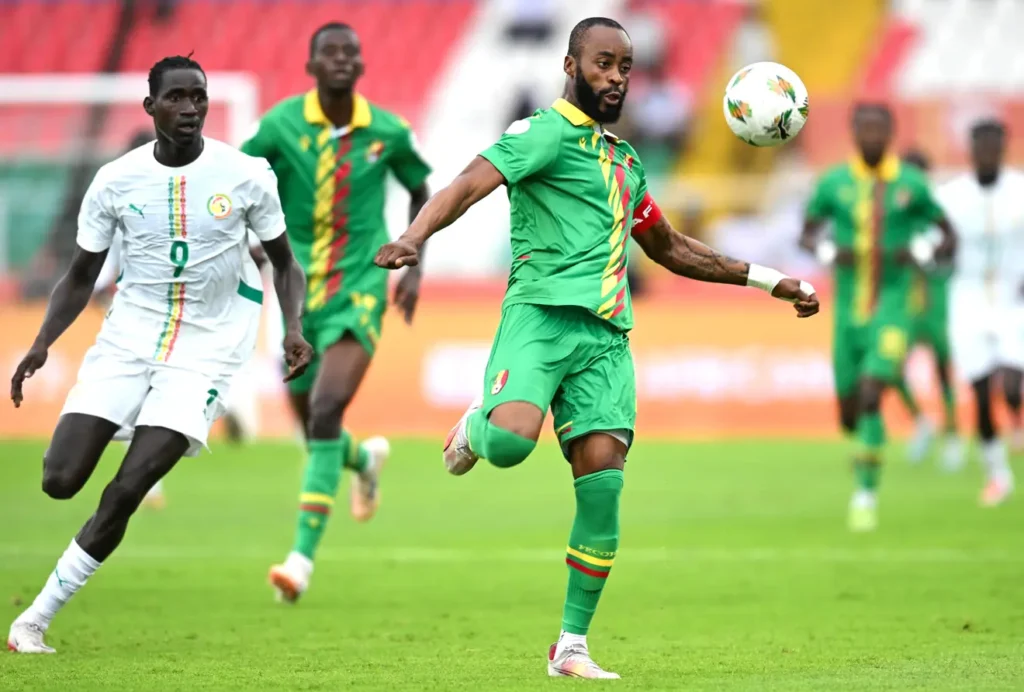
The breakthrough finally came eight minutes from time when Seck’s corner created the chaos that Senegal had been seeking. Layousse reacted quickest in the crowded penalty area, rifling a right-footed effort into the bottom corner to salvage what could prove to be a crucial point in their qualification campaign.
Senegal’s relief was palpable, though they nearly completed a dramatic turnaround moments later when Seyni Ndiaye somehow missed a close-range header that would have completed the comeback. The miss epitomised their frustrating evening and left them settling for a result that felt more like a defeat given their pre-match expectations.
The closing stages were played out in an atmosphere of mounting tension, with both sides recognising the significance of a potential winner. Congo substitute Brudet Okana fired over when well placed, whilst Ababacar Sarr’s late free-kick delivery caused panic without finding the decisive touch.
For Senegal, the draw maintains their strong position in Group D but represents a missed opportunity to secure quarter-final qualification with a match to spare. More concerning for Diallo will be his team’s inability to impose their quality against well-organised opponents – a weakness that could prove costly in the knockout stages should they progress.
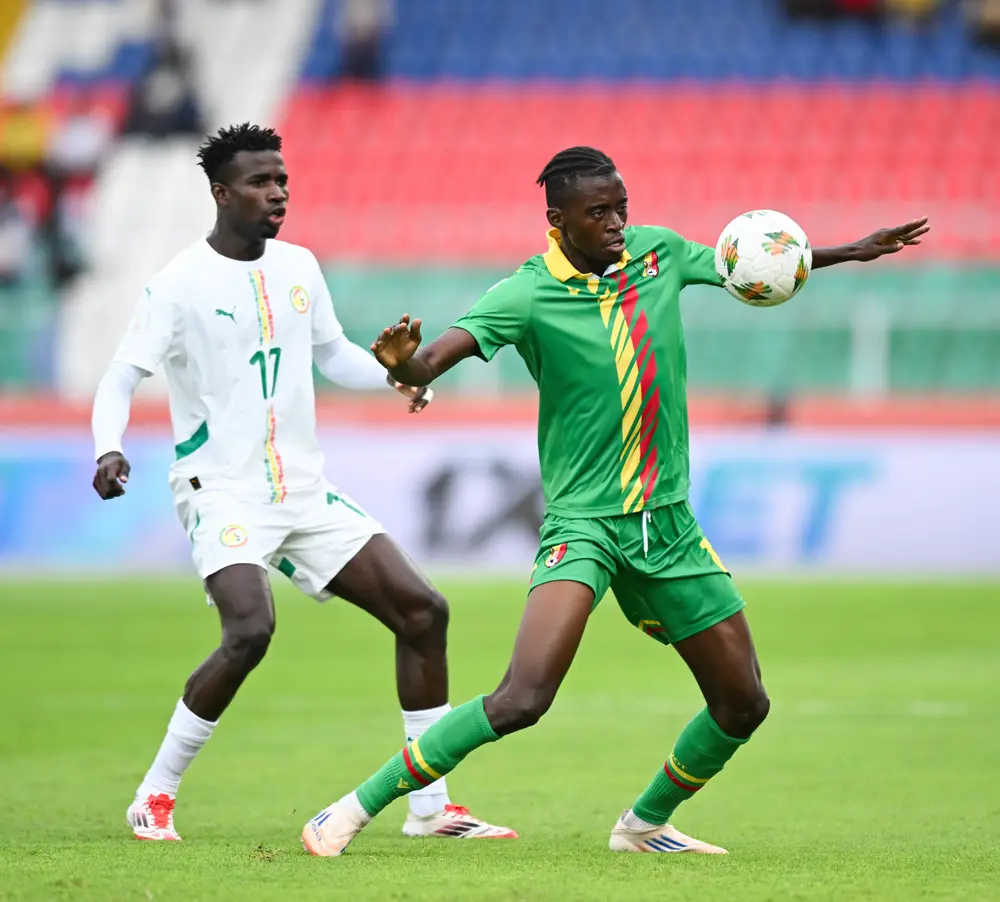
Congo’s performance, meanwhile, provides a blueprint for how supposedly inferior teams can compete with the tournament’s heavyweights. Their discipline, organisation and clinical finishing when opportunities arose demonstrated the competitive depth that makes CHAN such an unpredictable tournament.
The result ensures that Group D remains fascinatingly open ahead of the final round of fixtures, with Congo now possessing genuine belief that they can reach the quarter-finals for the first time. Their draw with the defending champions represents far more than a single point – it’s validation of their right to compete at this level and a warning to their remaining opponents.


