




Morocco secured top spot in Group A with a commanding 3-0 victory over Zambia at the Prince Moulay Abdallah Stadium in Rabat, with Ayoub El Kaabi producing a spectacular brace including a stunning overhead kick that sent the home crowd into raptures.
The Atlas Lions’ dominant display confirmed their progression to the knockout stages with seven points from three matches, whilst Zambia’s elimination from the tournament was confirmed as they finished bottom of Group A with just two points. The result demonstrated Morocco’s credentials as genuine title contenders, bouncing back emphatically from their frustrating draw against Mali to deliver the performance their supporters had been demanding.
Morocco, smarting from dropping two points in their previous outing, began with intensity and purpose, determined to give the Rabat faithful reason to believe in their championship ambitions. The hosts’ attacking intent was rewarded in the ninth minute when they seized the lead through a beautifully crafted goal.
Azzedine Ounahi, controlling possession in midfield, spotted El Kaabi’s run into the penalty area and delivered a perfectly weighted lofted pass over the Zambian defence. The former Wydad Casablanca striker, now plying his trade for Greek side Olympiacos, rose highest to power a header past goalkeeper Lawrence Mulenga from close range, giving Morocco the perfect start.
Zambia, needing victory to keep their qualification hopes alive, found themselves immediately on the back foot as Morocco pressed forward with confidence. The Chipolopolo struggled to contain the hosts’ fluid attacking movement, with Brahim Diaz orchestrating proceedings from an advanced midfield position.
Morocco doubled their advantage in the 27th minute through a goal that showcased their quality in transition. Ounahi, again instrumental, split the Zambian defence with an incisive pass that found Abde Ezzalzouli in space down the left flank. The Real Betis winger drove forward before cutting the ball back for Real Madrid’s Diaz, who composed himself before finishing clinically to make it 2-0.
The goal represented Diaz’s second of the tournament following his penalty against Mali and underlined his importance to Morocco’s attacking ambitions. The 25-year-old’s technical quality and vision have made him a key creative force for the Atlas Lions throughout their campaign.
Zambia attempted to respond before half-time, but Morocco’s defensive organisation, marshalled by the experienced Nayef Aguerd and Romain Saïss, remained disciplined and compact. The Chipolopolo’s best opportunity of the first period fell to Fashion Sakala, but his effort from distance lacked the power and accuracy to trouble Yassine Bounou in the Moroccan goal.
The teams headed into the interval with Morocco firmly in control, though Zambia coach Moses Sichone attempted to rally his troops during the break, knowing they required at least three unanswered goals to keep their qualification hopes alive.
The second half began with Morocco seeking to put the contest beyond doubt, and they appeared to have extended their lead five minutes after the restart when El Kaabi produced a moment of magic. The striker met a cross with a spectacular overhead kick that flew into the net, sending the home support into delirium.
However, celebrations were curtailed when the assistant referee’s flag went up for offside, and replays suggested El Kaabi had indeed been in an illegal position when the ball was delivered. The decision represented cruel luck for the striker, whose technique deserved better reward.
Justice was served two minutes later when, following a VAR review, the on-field officials overturned their original decision after determining that El Kaabi had been played onside by a Zambian defender. The goal was awarded, confirming Morocco’s 3-0 advantage and sparking wild scenes inside the stadium as supporters celebrated both the goal and the striker’s audacious execution.
The overhead kick, executed with precision and power from inside the six-yard box, will undoubtedly feature among the standout moments of AFCON 2025. El Kaabi’s celebration reflected his relief and joy at seeing his spectacular effort count after the initial disappointment of the offside flag.
With the match effectively decided, Morocco controlled proceedings during the final half-hour, content to circulate possession and preserve energy for the challenges ahead. Zambia attempted to apply pressure in search of a consolation goal that might restore some pride, but the Atlas Lions’ defensive structure remained impenetrable.
Coach Walid Regragui made several substitutions throughout the second period, offering opportunities to fringe players whilst protecting key men ahead of the knockout stages. The changes demonstrated Morocco’s strength in depth, with the replacements maintaining their side’s positional discipline and control.
Zambia continued to battle gamely despite the three-goal deficit, but clear-cut chances remained elusive against opponents who had rediscovered the defensive solidity that characterised their qualification campaign. The Chipolopolo’s tournament ended without a victory, having drawn their opening two matches against Mali and Comoros before falling heavily in Rabat.
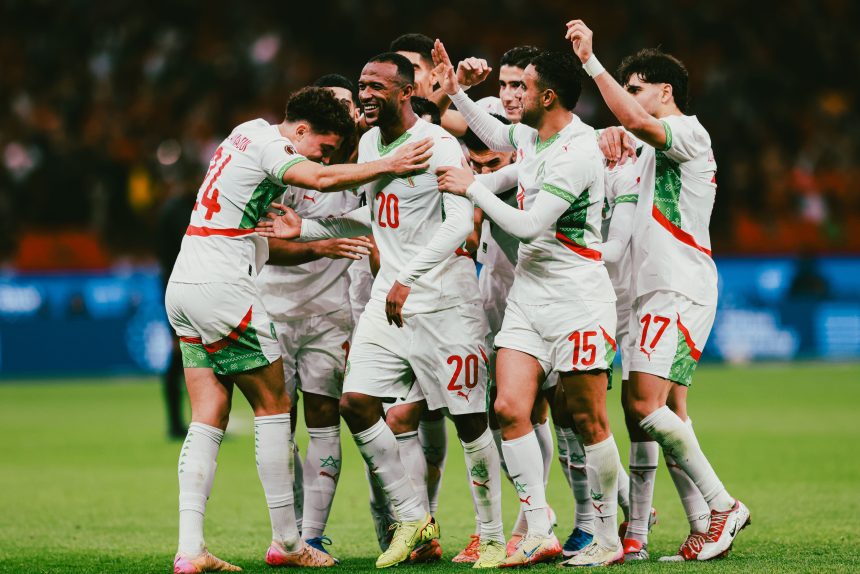
The final whistle confirmed Morocco’s commanding victory and pole position in Group A, sparking celebrations among players and supporters who recognised the significance of the performance. The Atlas Lions demonstrated the attacking quality and defensive organisation that makes them one of the tournament favourites, with El Kaabi’s brace taking his tournament tally to three goals.
Morocco coach Regragui will be delighted with his side’s response following the setback against Mali, with the comprehensive nature of the victory sending a statement to potential knockout opponents. The hosts, seeking a first AFCON title since 1976, possess a blend of youth and experience that makes them formidable contenders.
For Zambia, elimination represents a disappointing end to a campaign that promised more following their impressive qualification. The Chipolopolo demonstrated defensive resilience in their opening two matches but lacked the attacking quality required to capitalise on their solid foundations. Coach Sichone will reflect on missed opportunities, particularly in the goalless draw with Comoros that left his side needing an unlikely victory in Rabat.
Morocco will face the runners-up from Group C in the last 16 on 3 January in Casablanca, likely to be Tunisia. The Atlas Lions march on with confidence and momentum, buoyed by home support and the form of key players like El Kaabi and Diaz.